21 October 2026
Fire Protection Denver Guide: Fire Alarm Monitoring for Commercial Buildings and What It Does
Presented by @dallastukd506
If you manage a commercial building in Denver, fire alarm monitoring is one of those systems you rarely think about on a calm Tuesday afternoon, yet it becomes the center of attention the moment something goes wrong. Owners often spend plenty of time talking about visible equipment, pull stations, strobes, sprinkler heads, extinguishers in wall cabinets. Monitoring is less visible, which is exactly why it gets misunderstood.
At its core, monitoring keeps a fire alarm system from operating in isolation. A commercial fire alarm is built to detect conditions, notify occupants, and supervise the health of the system. Monitoring adds another layer of oversight so that alarm, trouble, and supervisory signals are not left to chance or discovered too late. In a real building, that matters more than people realize. A system can look fine on the wall and still have a communication problem, a disabled component, or a condition that needs immediate attention.
For anyone sorting through fire protection Denver requirements, that distinction matters. A panel that can ring local notification appliances is important. A panel that is also properly monitored, tested, approved, and maintained as part of the larger life safety program is what commercial owners should actually be aiming for.
What fire alarm monitoring really does in a commercial building
The easiest way to think about monitoring is to separate it from the parts of the fire alarm that people can see and hear. Horns, strobes, speakers, detectors, and pull stations interact with occupants in the building. Monitoring deals with the signals the system creates when something changes.
NFPA 72 is the national fire alarm and signaling code, and it addresses design, installation, inspection, testing, maintenance, and emergency communications systems. It also covers how fire alarm systems should operate, including initiation, notification, supervision, and ongoing care. Those words may sound technical, but they translate into practical building outcomes.
When the system enters alarm, there is a recordable event that needs to be addressed. When a system component has a fault, that trouble condition matters because the system may not perform as intended. When a related fire protection condition changes, supervisory signals matter because they can point to a risk developing before there is an actual fire event.
In day to day building operation, monitoring supports those functions by making sure signals are actively watched instead of passively waiting for someone to notice a panel display in a back room. That is especially important in buildings that are large, multi tenant, intermittently occupied, or staffed unevenly across shifts.
A property manager once told me that their older office building had gone years with everyone assuming the fire alarm “would tell us if something was wrong.” What they really meant was that people expected the system to reveal problems at the exact moment a building engineer happened to walk by the panel. That is not a strategy. It is a hope.
Why Denver owners should treat monitoring as part of a larger compliance picture
In Denver, code enforcement is not abstract. The Fire Code Official, the Fire Marshal, and the Denver Fire Department Fire Prevention Division have authority to enforce fire code requirements and inspect hazards, disabled life safety systems, and false alarms. That should frame how owners think about fire alarm monitoring Denver projects and service agreements. Monitoring is not a standalone gadget purchase. It lives inside a regulated environment where design, approval, testing, documentation, and correction of deficiencies all matter.
Denver also requires permits for most construction, alteration, or repair work on private property. The city adopted new 2025 Building and Fire Codes effective December 31, 2025, and some projects may be allowed to use either the 2025 or 2022 code set depending on submittal date. That means the timing of a tenant improvement, remodel, system replacement, or expansion can affect the code path a project follows.
This catches people off guard all the time. A small office reconfiguration becomes a larger permit conversation because devices move, occupancy changes, or egress impacts life safety design. By the time the owner asks about monitoring, the job may already involve plan review and coordination with fire protection engineering. That is why experienced commercial fire protection Colorado teams ask early questions instead of waiting until the inspection calendar starts filling up.
Monitoring is only one piece of a functioning fire protection system
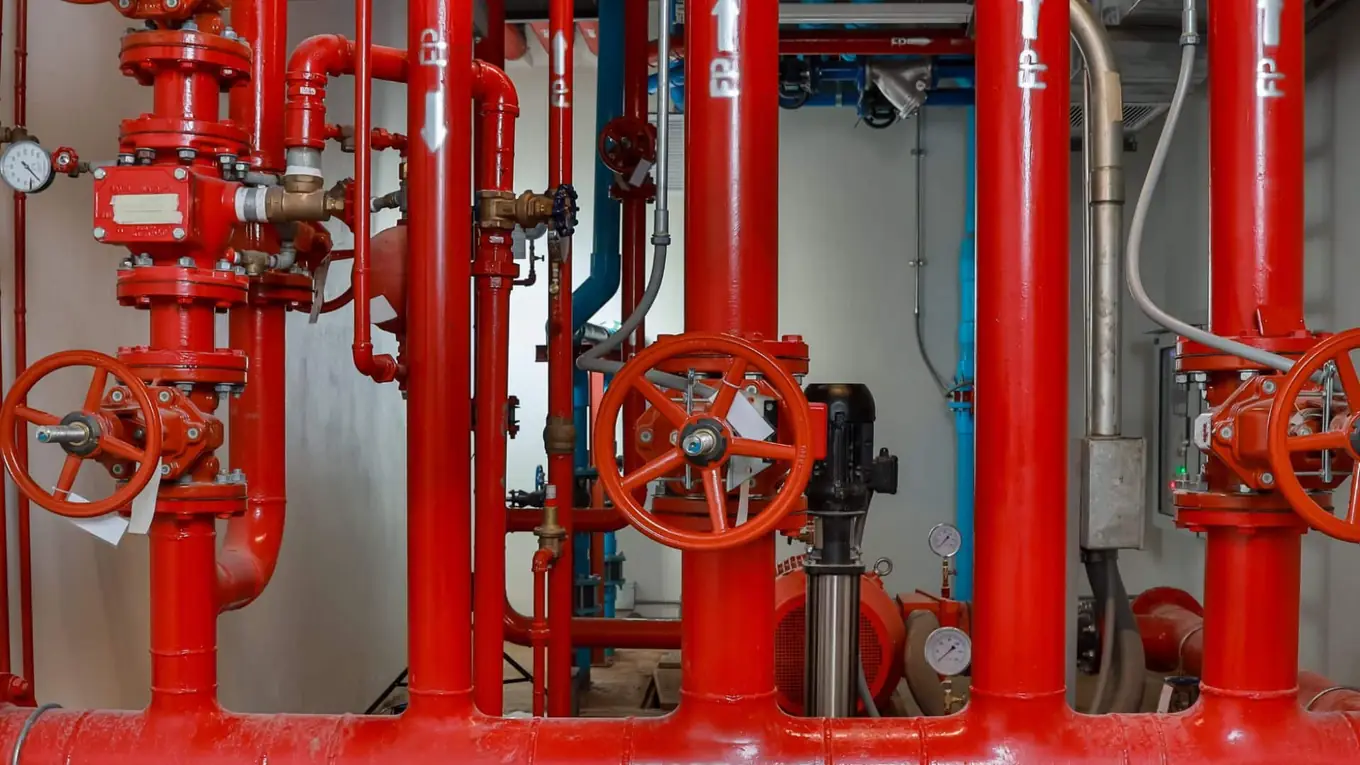
A commercial building is rarely protected by one system alone. Alarm, sprinkler, suppression, extinguishers, pumps, and backflow assemblies all interact from an operations standpoint, even when they are governed by different details and different contractors handle different parts.
NFPA 25 covers the inspection, testing, and maintenance of water based fire protection systems. That includes the kind of ongoing care owners associate with sprinkler systems and related water based equipment. So when a building owner talks about fire sprinkler installation Denver work or asks about fire suppression systems Denver services, the conversation should not stop at installation. The ongoing inspection and testing responsibilities continue long after the project is complete.
That matters because Denver’s annual fire safety inspections can review more than just the fire alarm panel. The city’s materials describe commercial and institutional properties as typically inspected about every 12 months, and those inspections can include exits, emergency lighting, fire resistive separations, fire lanes, and test records for fire safety systems. If violations are found, an order notice for correction may follow.
In other words, monitoring is important, but it does not excuse weak recordkeeping, overdue tests, blocked exits, or disabled components. I have seen buildings with decent alarm equipment fail the practical test because staff could not produce records or explain known deficiencies. Paperwork sounds boring until the inspector asks for it.
What owners should expect during project work and final approval
One of the biggest misconceptions in commercial fire protection is that installing hardware is the finish line. In Denver, it is not. The city’s plan review process includes fire protection engineering review, and acceptance or approval is required before final sign off of fire alarm and fire protection permits.
That last part deserves emphasis. Final sign off is tied to acceptance or approval, not simply to the contractor saying the work is done. If a system is installed but not accepted, you are not where you need to be.
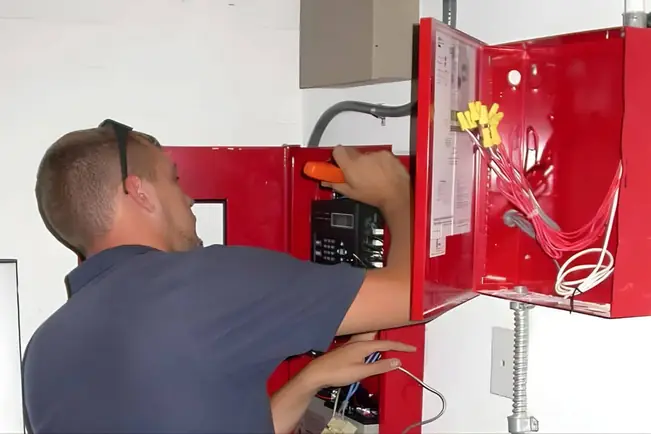
The city also notes that system acceptance testing and permits may involve coordination with the Fire Department, and special inspections can occur outside normal business hours when needed. Anyone who has managed a busy tenant buildout recognizes why this matters. Restaurant spaces, medical offices, mixed use projects, and occupied renovations often require carefully timed testing because normal business activity cannot simply pause for a half day.
Colorado law adds another practical requirement on the suppression side. Fire suppression system installation, modification, alteration, or repair generally cannot begin until required permits are obtained and the job has been registered, with working plans and hydraulic calculations reviewed and approved. If you are coordinating alarm work with suppression work, it is wise to think of them as connected schedules, even if separate vendors are involved.
That is where a lot of projects slip. The owner assumes one contractor can move forward while another catches up later. Sometimes that works on paper. In reality, the schedule often bottlenecks around approvals, testing windows, and final acceptance.
The signals that matter most in real operation
A monitored commercial fire alarm system does more than sound a horn when smoke is detected. The system is expected to deal with several categories of information, and each one has a different operational meaning.
- Alarm signals indicate an event that requires immediate attention under the fire alarm system’s intended operation.
- Trouble signals point to a fault or impairment affecting the system or one of its components.
- Supervisory signals indicate a monitored condition that is abnormal but distinct from an alarm condition.
- Notification functions warn occupants in the building through the system’s appliances or communications features.
- Ongoing supervision helps reveal system issues that might otherwise stay hidden until an emergency.
That is the practical value of monitoring. It broadens awareness beyond the dramatic event everyone imagines. Fires are the obvious concern, but many expensive problems begin as unnoticed impairments. A disabled device, a faulted circuit, or another abnormal condition can sit quietly until the day you need the system most.
How annual inspections change the conversation
Denver’s annual fire safety inspections are one of the clearest reasons commercial owners should not treat monitoring as a set it and forget it service. Those inspections typically occur every 12 months for commercial and institutional properties, and inspectors can look at system records in addition to visible life safety conditions.
This is where strong operations teams stand out. The buildings that do well are not necessarily the buildings with the newest equipment. They are the ones where someone can answer simple, practical questions. Has the system been tested? Are records available? Are there known impairments? Were corrections completed? Do the building staff understand what happened during the last service visit?
A lot of compliance problems are really communication problems. One contractor emails a report. The facilities manager changes. The report gets filed somewhere unhelpful. Months later, the inspector wants records and no one can find the last documentation. That turns a manageable service issue into an avoidable compliance headache.
If you are searching for fire safety inspections Denver support, the useful question is not just who can perform work. It is who helps your team stay organized enough to prove the work was done and the deficiencies were addressed.
False alarms, disabled systems, and other preventable pain points
Denver’s enforcement authority includes hazards, disabled life safety systems, and false alarms. Those three issues show up repeatedly in commercial settings because they often start with routine shortcuts.
A disabled system may begin with a contractor trying to finish another scope of work, a maintenance person silencing an annoyance without closing the loop, or an overlooked trouble condition that lingers because the building has no immediate symptoms. False alarms can stem from a range of causes, but the operational lesson is consistent: if the building team does not understand what the fire alarm system is telling them, small issues become recurring ones.
Monitoring helps because it keeps attention on active conditions, but it does not replace judgment. Staff still need a response process. Service vendors still need to communicate clearly. Building managers still need to close out problems instead of carrying them month to month.
That same logic applies across related systems. If you are evaluating fire extinguisher inspections Denver vendors, fire pump inspection Denver support, or backflow inspection Denver scheduling, coordination matters. The cleaner your inspection calendar and records are across the whole life safety program, the fewer surprises you face when annual inspections or final approvals come around.
How monitoring fits with sprinkler and suppression work
Owners sometimes separate the fire alarm conversation from water based or special suppression work because different technicians handle different equipment. On paper that division makes sense. https://coloradofirealarms226.lakeviewbrief.com/posts/why-a-quiet-trouble-signal-should-not-be-ignored-in-a-commercial-fire-alarm-system In the field, the systems affect one another operationally and during inspections.
NFPA 25 governs inspection, testing, and maintenance for water based systems. NFPA 72 governs fire alarm and signaling systems. The owner does not need to memorize every chapter to see the practical takeaway: different standards apply, and both must be respected. If a building has sprinkler protection, alarm components, and other suppression features, all of those systems create documentation, testing obligations, and approval steps.
For Denver projects involving fire sprinkler installation Denver or broader fire suppression systems Denver work, the permit side is also important. Colorado law requires permits and plan review before suppression installation, modification, alteration, or repair generally begins. That is a serious procedural step, not optional paperwork.
I have seen projects where the owner focused almost entirely on construction completion dates while assuming the life safety side could be wrapped up in a quick final visit. That usually backfires. The smarter approach is to align alarm, suppression, engineering review, acceptance testing, and record turnover from the start.
A short owner checklist that saves time later
Most monitoring problems I see are not technical mysteries. They come from rushed coordination, missing records, or unclear responsibilities. Before annual inspections or final acceptance, it helps to confirm a few basics.
- Verify that permits and approvals are being tracked for any alarm or suppression project work.
- Keep inspection, testing, and maintenance records organized and easy to retrieve.
- Make sure known trouble, supervisory, or disabled conditions are documented and actively addressed.
- Coordinate alarm work with sprinkler and suppression schedules when scopes overlap.
- Prepare building staff to answer simple questions during fire safety inspections.
That list looks simple because it is simple. The hard part is consistency. The buildings that stay compliant are usually the ones where someone owns the process every month, not only when an inspector is expected.
Choosing a provider without reducing the decision to price alone
When owners shop for fire alarm monitoring Denver service, they often compare monthly rates first. That is understandable, but it is rarely the full picture. Commercial fire protection Colorado work has a paperwork side, a code side, and an operational side. If your provider cannot coordinate those pieces, a low monthly number stops looking attractive fast.
The better questions are practical. Do they understand Denver’s permitting and final approval environment? Can they work smoothly with other fire protection vendors? Are they disciplined about records? Do they communicate clearly about deficiencies and next steps? If your property is occupied during service windows, can they plan around that reality, especially when inspections or acceptance testing may need coordination beyond a normal daytime schedule?
If your site also needs emergency fire protection Denver support, the value of a responsive and organized provider becomes even more obvious. During a real impairment or an urgent correction, owners do not want to discover that their vendor is good only at sending invoices.
The same thinking applies when people ask about fire system certification Colorado requirements. Even when a building owner uses that phrase loosely, what they usually mean is straightforward: they want confidence that the system work has been properly reviewed, tested, accepted where required, and documented well enough to stand up during inspection, turnover, or a transaction. That confidence comes from process, not marketing language.
What a well managed building looks like
A well managed commercial building does not rely on luck. Its monitoring is active. Its inspection and test records are available. Its team understands the difference between an alarm, a trouble, and a supervisory condition at a practical level. Permitted work is handled through the right channels. Acceptance and approval are treated as milestones, not afterthoughts.
When Denver inspectors review a property, they may look at exits, emergency lighting, fire resistive separations, fire lanes, and test records for fire safety systems. That broader lens is worth remembering. Fire alarm monitoring is crucial, but it works best when the entire life safety program is taken seriously.
For owners, tenants, and facility teams, that is the real takeaway. Monitoring does not exist to make a spec sheet look complete. It exists to make sure important signals are seen, acted on, and supported by a building program that can hold up under stress, under inspection, and during the ordinary wear of daily operation. That is what strong fire protection Denver planning looks like in practice.